Growing up in Tennessee in the 1940s
Wilma Rudolph faced more challenges than most children her age. Born premature and suffering from polio, Wilma was told by doctors that she would never walk again. But she refused to let her disabilities hold her back. With the support of her family and unwavering determination, Wilma went on to become one of the greatest athletes of her time.
Overcoming Physical Challenges
Despite her physical limitations, Wilma was a determined child. With the help of her mother and siblings, she learned to walk using braces and crutches. By the time she was 12 years old, Wilma had regained enough strength and mobility to walk without assistance. But her journey to athletic greatness was just beginning.
Finding a Love for Running
In high school, Wilma discovered her love for running. She quickly became one of the top sprinters in Tennessee, breaking state records and drawing the attention of college coaches across the country. Despite facing discrimination and opposition from many quarters, Wilma refused to let anything stand in the way of her dreams.
Breaking Barriers on the World Stage
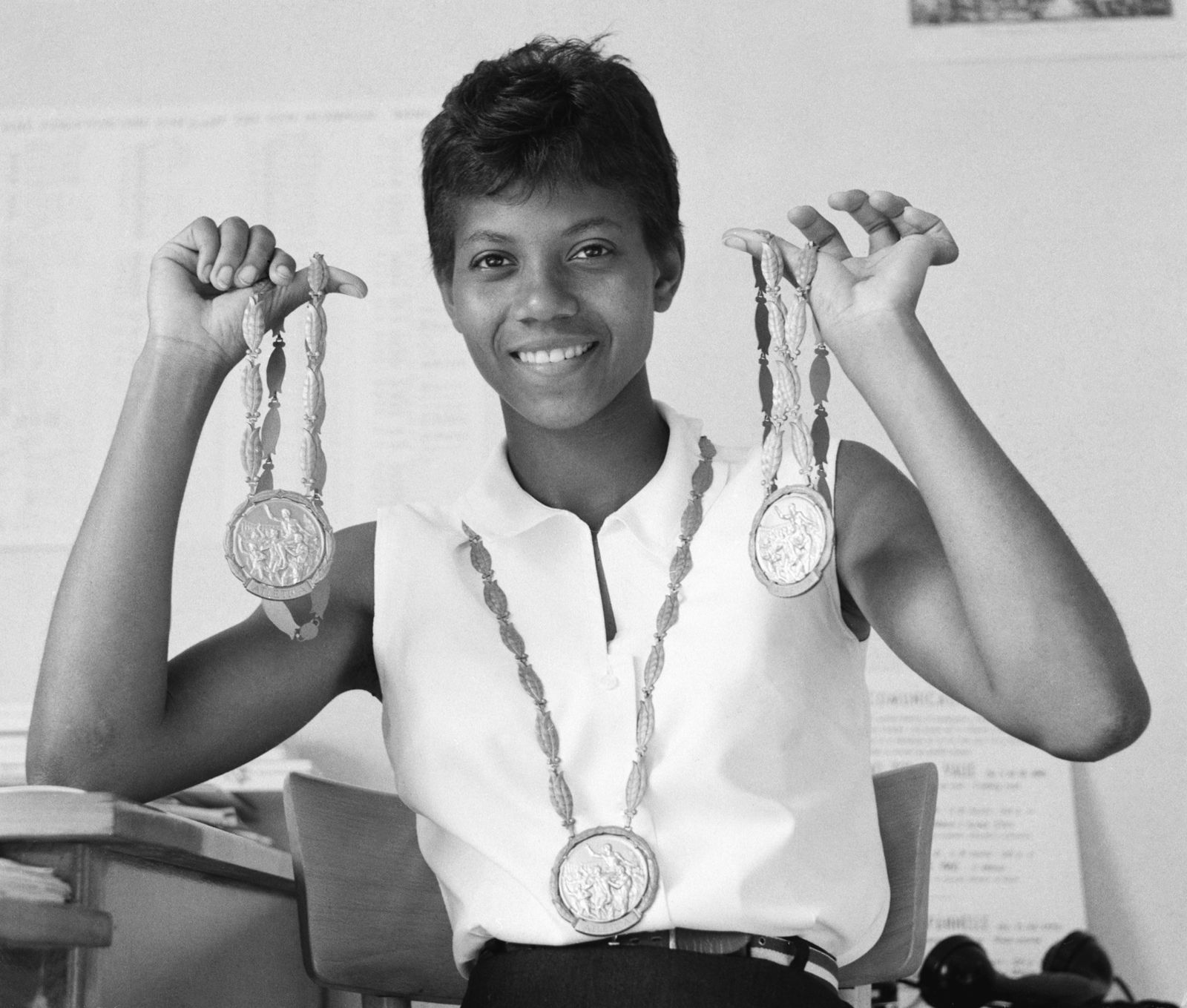
In 1956, at the age of 16, Wilma competed in the Summer Olympics in Melbourne, Australia. Despite facing some of the world's top sprinters, she won a bronze medal in the 4x100 meter relay. Four years later, at the 1960 Summer Olympics in Rome, Wilma dominated the competition, winning three gold medals in the 100 meter, 200 meter, and 4x100 meter relay. She became the first American woman to win three gold medals in a single Olympics.
Inspiring a Generation
Wilma's achievements on the track were only the beginning of her impact on the world. She went on to become a mentor and role model for young athletes, inspiring countless others to pursue their own dreams and never give up, no matter what challenges they may face. Her unwavering determination and spirit continue to inspire people to this day.